Finding the right therapist can make a meaningful difference in your experience with therapy. Whether you’re dealing with anxiety, stress, relationship difficulties, burnout, grief, low self-esteem, or other emotional challenges, choosing a therapist who fits your needs is an important first step.
With so many therapists and different approaches to therapy available, it can sometimes feel overwhelming to know where to begin.
The good news is that you don’t have to find a “perfect” therapist. Instead, look for a qualified professional whose experience, approach, communication style, and availability are a good fit for what you’re looking for.
Here are 10 things to consider when choosing a therapist.
1. Consider What You Want Help With
Start by thinking about why you’re looking for therapy.
You don’t need to have everything figured out before contacting a therapist. However, identifying some of the challenges you’re experiencing can help you find someone with relevant experience.
You may be looking for support with:
- Anxiety or excessive worry
- Depression or low mood
- Stress and burnout
- Relationship difficulties
- Family concerns
- Grief and loss
- Trauma and difficult past experiences
- Self-esteem and confidence
- Emotional regulation
- Major life transitions
- Parenting or child-related concerns
Some therapists work with a broad range of concerns, while others specialize in particular areas. Looking at a therapist’s areas of experience can help you narrow down your options.
2. Look at the Therapist’s Qualifications and Professional Background
It’s important to understand the qualifications and professional designation of the person you’re considering.
Different mental health professionals can have different education, training, professional designations, and scopes of practice. Depending on where you live and the type of support you’re seeking, you may encounter psychotherapists, psychologists, social workers, counsellors, and other mental health professionals.
Take some time to read the therapist’s professional profile and learn about their education, training, experience, and areas of practice.
If you’re unsure about a professional’s qualifications or what a particular designation means, don’t hesitate to ask the therapist directly.
3. Consider Their Experience With Your Concerns
A therapist may be qualified to work with many different concerns, but therapists can have different areas of experience.
For example, if you’re seeking help with anxiety, you may want to find someone who regularly works with anxiety-related concerns. If you’re experiencing relationship difficulties, you may prefer someone with experience supporting individuals or couples with relationship concerns.
Look for information about the therapist’s areas of focus and the types of concerns they commonly work with.
Finding someone with relevant experience can help you feel more confident about beginning therapy.
4. Understand Their Approach to Therapy
There are many different therapeutic approaches, and therapists may use different techniques depending on their training and the needs of their clients.
Some approaches may focus more on thoughts and behaviours, while others may explore emotions, relationships, past experiences, or patterns that affect your current life.
You don’t necessarily need to understand every type of therapy before getting started. A good therapist should be able to explain their approach and how it may relate to your goals.
If you’re unsure which approach may be appropriate for you, ask the therapist about how they typically work with concerns similar to yours.
5. Think About Whether You Prefer Online or In-Person Therapy
Another important consideration is how you want your therapy sessions to take place.
Some people prefer meeting with a therapist in person, while others appreciate the flexibility of online therapy.
Online therapy can allow you to attend sessions from a private and suitable location without travelling to an office. This can be convenient for people with busy schedules or those who prefer receiving support from their own space.
In-person therapy, on the other hand, gives you the opportunity to meet with your therapist face-to-face in a professional setting.
There isn’t one option that is right for everyone. Consider your schedule, preferences, privacy, comfort, and practical needs when deciding between online and in-person therapy.
6. Consider the Therapist’s Communication Style
Feeling comfortable communicating with your therapist is important.
Therapy often involves discussing personal thoughts, emotions, experiences, and concerns. You may therefore want someone who communicates in a way that makes you feel heard and understood.
Consider whether you prefer a therapist who is:
- Conversational and collaborative
- Structured and goal-oriented
- Reflective and exploratory
- Direct and practical
- Supportive and emotionally focused
You may not know exactly what communication style you prefer until you speak with a therapist. That’s okay.
An initial conversation can give you a better sense of whether their communication style feels appropriate for you.
7. Look for Someone You Feel Comfortable With
A therapist doesn’t have to be exactly like you for therapy to be helpful. However, feeling comfortable enough to communicate openly can be an important part of the therapeutic process.
Think about whether you feel respected, listened to, and able to discuss your concerns without feeling dismissed or judged.
It can take time to build trust in therapy, particularly when discussing sensitive experiences. Don’t expect an immediate personal connection after one conversation, but pay attention to how you feel during your interactions.
The goal is to find a therapist with whom you can gradually develop a comfortable and productive therapeutic relationship.
8. Check Availability, Location, and Scheduling
Practical considerations matter too.
Even if you find a therapist who seems like a good fit, it may be difficult to maintain regular sessions if their availability doesn’t work with your schedule.
Before choosing a therapist, consider:
- Appointment availability
- Session times
- Location
- Online or in-person options
- Frequency of sessions
- How appointments are scheduled
- Cancellation and rescheduling policies
Finding an arrangement that works realistically with your life can make it easier to maintain consistency with therapy.
9. Understand the Cost and Payment Options
Therapy is an investment in your mental and emotional well-being, but it’s also important to understand the financial side before beginning.
Ask about the therapist’s session fees and whether they provide receipts that may be used for insurance or benefits, where applicable.
If you have extended health coverage, check your plan to determine what types of mental health professionals and services are covered.
You can also ask the therapist or clinic about payment and cancellation policies before booking your first appointment.
Understanding the costs beforehand can help you make an informed decision and avoid unexpected expenses.
10. Ask Questions Before Getting Started
You don’t have to choose a therapist without asking questions.
If you’re unsure whether a therapist is right for you, consider asking:
- What areas do you typically work with?
- What therapeutic approaches do you use?
- Do you offer online or in-person sessions?
- How long are therapy sessions?
- How often do clients typically meet with you?
- What can I expect during my first session?
- What are your fees?
- Do you provide receipts for insurance purposes?
Their answers can help you understand what working together may look like and whether their services match your needs.
What If Your First Therapist Isn’t the Right Fit?
Finding the right therapist can sometimes take more than one attempt.
You may speak with a therapist and realize that their approach, availability, communication style, or area of experience isn’t what you’re looking for. That doesn’t necessarily mean therapy isn’t right for you.
It may simply mean you need to find someone whose approach better matches your needs.
It’s reasonable to ask questions, communicate your preferences, and consider different therapists before deciding who you feel comfortable working with.
Finding the Right Therapist Is About Finding the Right Fit
Choosing a therapist is a personal decision. Qualifications and experience matter, but so do practical factors such as availability, communication style, therapy format, and your comfort level.
You don’t need to know exactly what type of therapy you need before reaching out. A conversation with a qualified therapist can help you understand your options and determine whether their approach is appropriate for your concerns.
If you’re looking for professional therapy support in Ontario, KD Wellness offers therapy services designed around the individual needs and goals of each client.
If you’re considering therapy and aren’t sure where to begin, reaching out to a qualified therapist can be a helpful first step.
Frequently Asked Questions
How do I know if a therapist is right for me?
Look for a therapist whose qualifications, experience, approach, availability, and communication style align with your needs. Feeling respected and comfortable communicating with them is also important.
What should I ask a therapist before my first appointment?
You can ask about their experience, therapeutic approach, session format, availability, fees, cancellation policy, and what you can expect during your first session.
Is online therapy right for everyone?
Online and in-person therapy each have different advantages. The appropriate option depends on your preferences, circumstances, privacy, comfort, and the type of support you’re seeking.
How long should I see a therapist?
There isn’t one standard length of time. The number and frequency of sessions can vary depending on your goals, concerns, circumstances, and the therapeutic approach being used.
Can I change therapists if I don’t feel comfortable?
Yes. If you don’t feel that your therapist is a good fit, you can discuss your concerns with them or consider looking for another therapist whose approach better suits your needs.
About Us
About KD Wellness
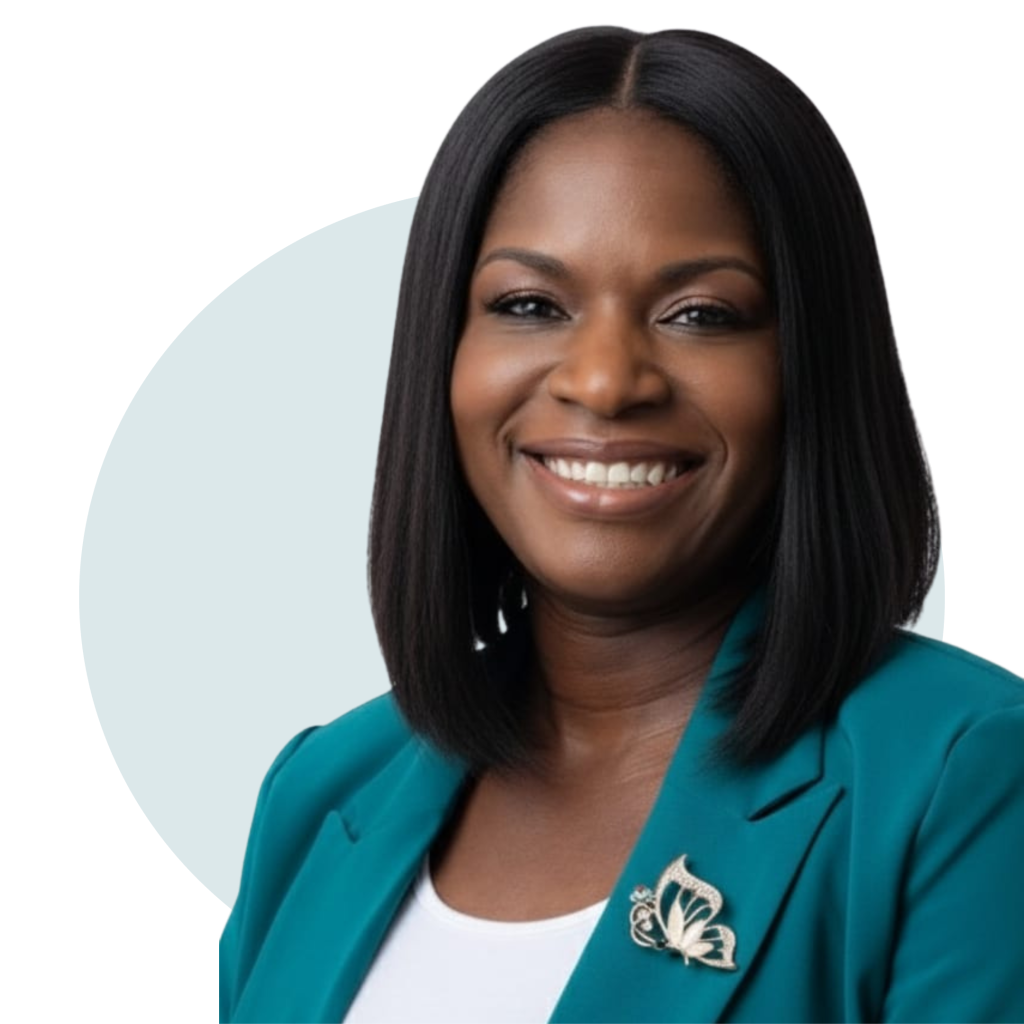
Kyana is a doctoral level mental health practitioner. She also have a masters in forensic psychology and CAGS in mental health counselling. As Registered Psychotherapist, Kyana offer services in treating a variety of issues such as anxiety, depression, body dysmorphic disorder, addiction, low self esteem, ADHD, anger management, behavioral problems, grief/loss, trauma, stress, adjustment/life transitions, and difficulties with relationship/assertiveness/coping skills.